
Endings that mark the masculine gender
Usually, the noun gender is determined by the noun’s ending. The endings that mark the masculine gender in order of most importance are:
-ich, -ist, -or, -ig, -ling, -ismus, -ant, -är, -eur, -iker and -ps
Words ending with “-ich”
– How often this ending is seen: Average
– Plural with “
-e”
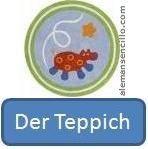
Examples:
| Example |
Meaning |
| der Teppich |
carpet |
| der Sittich |
parakeet |
| der Abgleich |
adjustment |
| der Bereich |
range |
| der Teich |
pond |
Exception: das Reich
(kingdom)
Words ending with “-ist”
– How often this ending is seen: Average
– Plural with “
-en”
– Many come from Latin or Greek

Examples:
| Example |
Meaning |
| der Artist |
artist |
| der Egoist |
egoist |
| der Feminist |
feminist |
| der Herzspezialist |
cardiologist |
| der Komponist |
composer |
Words ending with “-or”
– How often this ending is seen: Average
– Plural: The majority end with “-en” and some with “-e”
– Many come from Latin
Examples:
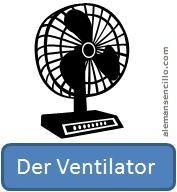
| Example |
Meaning |
| der Ventilator |
fan |
| der Motor |
motor |
| der Faktor |
factor |
| der Marmor |
marble |
Exceptions: das Fluor
(Fluorine), das Chlor
(chlorine), das Tor
(gate), das Labor
(laboratory), das Dekor
(decoration)
Words ending with “-ig”
– How often this ending is seen: Less often
– Plural with “
-e”
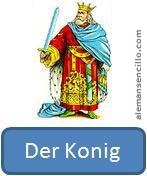
Examples:
| Example |
Meaning |
| der König |
king |
| der Honig |
honey |
| der Essig |
vinegar |
| der Käfig |
cage |
Exception: das Reisig
(brushwood)
Words ending with “-ling”
– How often this ending is seen: Less often
– Plural with “-e”
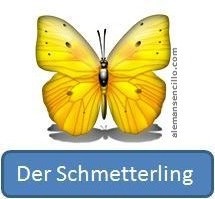
Examples:
| Example |
Meaning |
| der Schmetterling |
butterfly |
| der Frühling |
spring |
| der Lehrling |
apprentice |
| der Zwilling |
twin |
Exceptions: das Bowling, die Reling
(railing)
Words ending with “-ismus”
– How often this ending is seen: Less often
– The plural follows this construction even though many nouns lack a plural form: “-ismus” ➜ “-ismen”
– Many come from Latin or Greek
Examples:
| Example |
Meaning |
| der Optimismus |
optimism |
| der Magnetismus |
magnetism |
| der Expressionismus |
expressionism |
| der Feudalismus |
feudalism |
| der Kapitalismus |
capitalism |
Words ending with “-ant”
– How often this ending is seen: Less often
-Plural with “
-en”
– Most words ending with “-ant”, especially if they come from Latin
Examples:
| Example |
Meaning |
| der Diamant |
diamond |
| der Fabrikant |
manufacturer |
| der Elefant |
elephant |
| der Lieferant |
supplier |
Exceptions: das Restaurant, die Want
(shroud)
Words ending with “-är”
– How often this ending is seen: Not often
– Most words ending with “-är” are masculine, especially if they are from French
– The plural can be formed with “-e” (for words from French such as der Veterinär ➜ die Veterinäre) or with “-en” (der Bär
➜ die Bären)
Examples:
| Example |
Meaning |
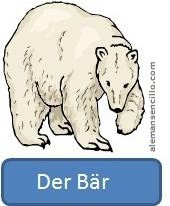
| der Bär |
bear |
| der Veterinär |
veterinarian |
| der Aktionär |
stockholder |
| der Sekretär |
secretary |
Exceptions: das Militär
(military), das Quartär
(quartenary)
Words ending with “-eur”
– How often this ending is seen: Not often
– Plural with “
-e” [der Friseur
➜ die Friseure]
– Many of them come from French
Examples:
| Example |
Meaning |
| der Friseur |
hairdresser |
| der Amateur |
amateur |
| der Ingenieur |
engineer |
Words ending with “-iker”
– How often this ending is seen: Not often
– No ending is added to form the plural [der Physiker
➜ die Physiker]
– They come from Latin or Greek
Examples:

| Example |
Meaning |
| der Alkoholiker |
alcoholic |
| der Informatiker |
computer scientist |
| der Physiker |
physicist |
| der Politiker |
politician |
Words ending with “-ps”
– How often this ending is seen: Seldom
– Plural with “-e” (der Schlips ➜ die Schlipse) but sometimes an “Umlaut” is added to the last vowel of the world to make the plural (der Schnaps
➜ die Schnäpse)
Examples:
| Example |
Meaning |
| der Schlips |
tie |
| der Gips |
cast |
| der Schnaps |
schnaps |
| der Klaps |
slap |
]]>