
Gender of Neuter Nouns in German
The most important nouns endings that mark the neuter gender are:
-chen, -lein, -ett , -ium ,-ment , -tum , -eau
Keep in mind that there are exceptions.
Gender of nouns ending with “-chen” (diminutives)
– How often this ending is seen: Often
– All
diminutives ending with “-chen” are neuter.
– No ending is added to make the plural (das Mädchen ➜ die Mädchen)
Examples:
| Example |
Meaning |
| das Mädchen |
girl |
| das Pfännchen |
small frying pan |
| das Maskottchen |
mascot |
| das Märchen |
fairytale |
| das Päckchen |
small package |
Nouns that are not diminutive do not necessarily have to be neuter: der Drachen
(dragon), der Kuchen
(cake), der Knochen
(bone), der Rochen
(ray [zoo.]), der Rachen
(throat)
Gender of nouns ending with “-lein”
– How often this ending is seen: Seldom
– No ending is added to make the plural (das Häuslein ➜ die Häuslein)
-All diminutives ending with “-lein” are neuter
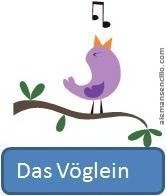
Examples:
| Example |
Meaning |
| das Häuslein |
ittle house |
| das Vöglein |
little bird |
| das Bächlein |
brooklet |
| das Büchlein |
booklet |
Gender of nouns ending with “-ett”
– How often this ending is seen: Often
– The plural can be formed with “-en” (das Bett ➜ die Betten) or with “-er” (das Brett ➜ die Bretter”) or with “-e” (das Amulett ➜ die Amulette)
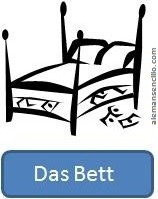
Examples:
| Example |
Meaning |
| das Bett |
bed |
| das Ballett |
the ballet |
| das Büfett |
the buffet |
| das Omelett |
the omelet |
| das Brett |
the board |
| das Bankett |
the banquet |
Gender of nouns ending with “-ium”
– Many come from Latin
– How often this ending is seen: Often
– The plural is formed with the structure: “-
ium”
➜ “-
ien” (das Ministerium
➜ die Ministerien)
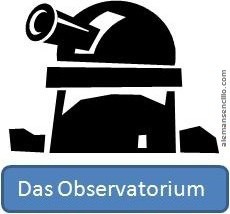
Examples:
| Example |
Meaning |
| das Observatorium |
the observatory |
| das Ministerium |
the ministry |
| das Laboratorium |
the laboratory |
| das Bakterium |
the bacteria |
| das Aquarium |
the aquarium |
| das Aluminium |
the aluminum |
| das Silicium |
the silicon |
Gender of nouns ending with “-ment”
– How often this ending is seen: average
– The plural is formed with “-e” for words that are from German “-
e” (das Medikament
➜ die Medikamente) but with “-s” for foreign words (das Apartment
➜ die Apartments)
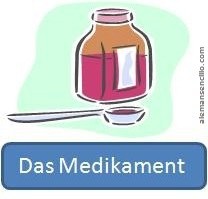
Examples:
| Example |
Meaning |
| das Medikament |
the medication |
| das Testament |
the will |
| das Element |
the element |
| das Instrument |
the instrument |
| das Fragment |
the fragment |
Exceptions: der Moment
(the moment), der Konsument
(the consumer)
Gender of nouns ending with “-tum”
– Words coming from Latin
– The u’s pronunciation is short
– How often this ending is seen: Average
– The plural is almost always made with the structure: “-
tum”
➜ “-
ten” (das Datum
➜ die Daten)
Examples:
| Example |
Meaning |
| das Datum |
date |
| das Wachstum |
growth |
| das Ultimatum |
ultimatum |
| das Heiligtum |
relic [plural: die Heiligtümer] |
| das Votum |
vote |
Exceptions (For German words, the u’s pronunciation is long): der Irrtum (the error), der Reichtum (the wealth)
Gender of nouns ending with “-eau”
– Words coming from French
– How often this ending is seen: Seldom
– The plural is formed with “-s” (das Niveau ➜ die Niveaus)
Examples:
- das Niveau (level)
- das Plateau (plateau)
]]>